





By David Wright
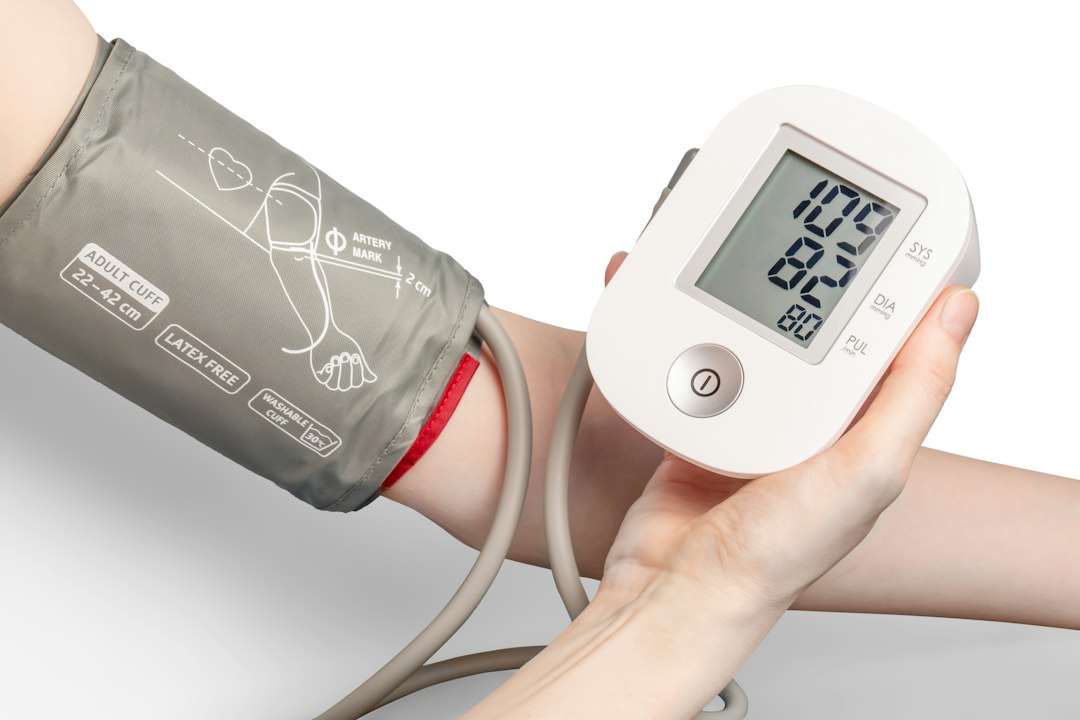
A home blood-pressure cuff can turn a hidden health risk into useful information—but only when the measurements are taken consistently and interpreted with the right clinical context.
Why home monitoring can be useful
High blood pressure is common and often silent. CDC reports that nearly half of U.S. adults have high blood pressure and that many do not have it under control. Because a person can feel completely normal while blood pressure is elevated, measurement—not symptoms—is what reveals the pattern.
CDC’s updated September 4, 2026 guidance describes self-measured blood pressure monitoring as regular use of a personal blood-pressure device away from a doctor’s office or hospital. The agency notes that people with high blood pressure are more likely to lower it when self-measurement is combined with support from a health-care team than when self-measurement is not used.
Technique matters more than most people realize
Blood pressure is sensitive to context. CDC notes that caffeine, alcohol, smoking, recent exercise, nervousness, and body position can affect a reading. Even crossing the legs or allowing the arm to hang below chest height can shift the result.
For a more useful home measurement, CDC advises avoiding food and drink for 30 minutes beforehand, emptying the bladder, sitting with the back supported for at least five minutes, keeping both feet flat and legs uncrossed, supporting the arm at chest height, placing the cuff on bare skin, and avoiding conversation during the reading.
Measure a pattern, not a moment
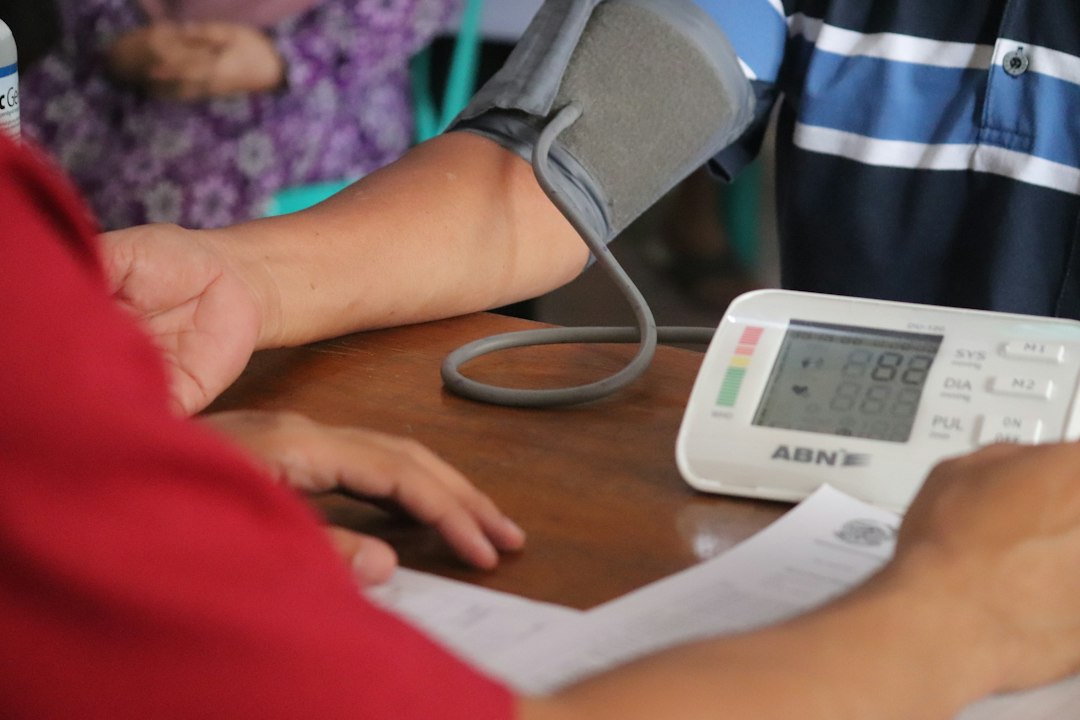
One number can create either false reassurance or unnecessary alarm. A better home-monitoring habit is to create comparable measurements. CDC recommends measuring at the same time each day, recording the results, and taking at least two readings one or two minutes apart.
The purpose of the log is not to self-diagnose or make medication changes independently. It is to give you and your health-care team a clearer record of what is happening across days and circumstances.
Key takeaway: High blood pressure often has no symptoms. Technique can change the reading.
Where health coaching can add value
Health coaching can help with the behavioral side of monitoring: choosing a repeatable time, setting up the environment, keeping the log visible, noticing patterns in sleep or activity, preparing questions for appointments, and following through with agreed lifestyle changes.
Coaching should sit beside medical care, not compete with it. Some people with high blood pressure need prescription medication in addition to lifestyle changes. Medication decisions belong with the health-care professional who knows the person’s medical history.
Avoid turning the cuff into a source of anxiety
For some people, frequent checking can become stressful. If you find yourself measuring repeatedly in response to anxiety rather than following an agreed plan, discuss that pattern with your clinician. More measurements are not automatically more useful.
A good monitoring plan is specific: when to measure, how many readings to take, how to record them, what changes should prompt a call, and when the data will be reviewed. The goal is informed action, not constant surveillance.
Questions Readers Often Ask
How many home readings should I take?
CDC recommends at least two readings, one or two minutes apart, and advises talking with your health-care team about how often you personally should measure.
Can I change blood-pressure medication based on my home numbers?
Medication changes should be discussed with the prescribing health-care professional. Home data can inform that conversation but does not replace individualized medical management.
What if a reading is very high or I feel seriously unwell?
Follow the emergency and urgent-care plan given by your health-care team. Chest pain, severe breathing difficulty, neurologic symptoms, or other potentially life-threatening symptoms require urgent medical evaluation.
Related Practice Resources
- About Atlanta Health & Wellness Coaching
- Schedule an Appointment
- Related: Lifestyle Coaching Beside Medical Care
- Related: Fatigue Is Common—but Not Simple
Sources & Further Reading
- CDC — Measuring Your Blood Pressure (updated Sept. 4, 2026)
- CDC — High Blood Pressure Facts (updated June 2, 2026)
- CDC — About High Blood Pressure (Jan. 28, 2026)
- CDC — Preventing High Blood Pressure
Get New Articles by Email
Subscribe to receive new articles and updates from this practice.
Next step: Atlanta Health & Wellness Coaching can help you build sustainable routines around monitoring, movement, nutrition, sleep, stress management, and follow-through while you remain connected to appropriate medical care.
Educational information only. Health coaching does not diagnose or treat hypertension and does not replace medical care. Do not start, stop, or change medication based on this article. Seek urgent or emergency care for potentially life-threatening symptoms.


0 Comments